
Article
The promise of Amritsar’s clean mobility transition lies in women’s civic leadership turning concern for clean air into collective action, economic agency, and gender-just change.

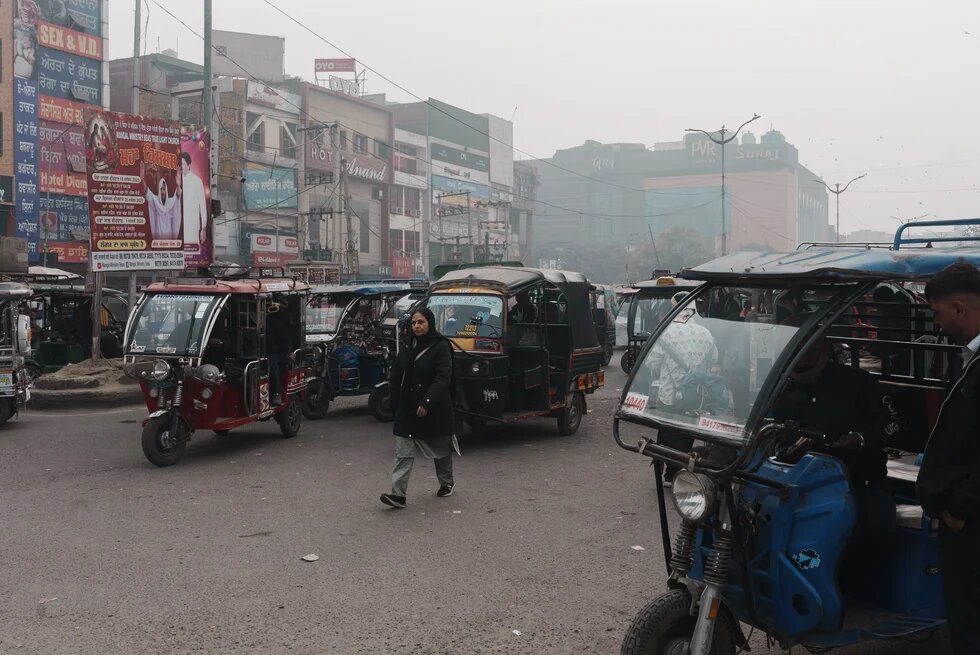
Amritsar, Punjab’s second-largest city, is home to Sri Harmandir Sahib, the Golden Temple, the holiest shrine of Sikhs, which welcomes thousands of pilgrims each day. The city’s identity is shaped by faith, collective memory, and a long tradition of community service.
Yet like many growing urban centres, Amritsar faces mounting environmental pressures. Rapid urbanisation, declining green cover, industrial activity, and an expanding vehicle population have steadily affected air quality. What was once taken for granted - clean mornings and breathable neighbourhood streets - has become increasingly uncertain.
For many residents, this is not a distant policy issue but a lived experience. It shows up in recurring respiratory illnesses and prolonged winter coughs. The question of clean air becomes inseparable from the question of health, dignity, and intergenerational responsibility.
When Concern Became Collective Action
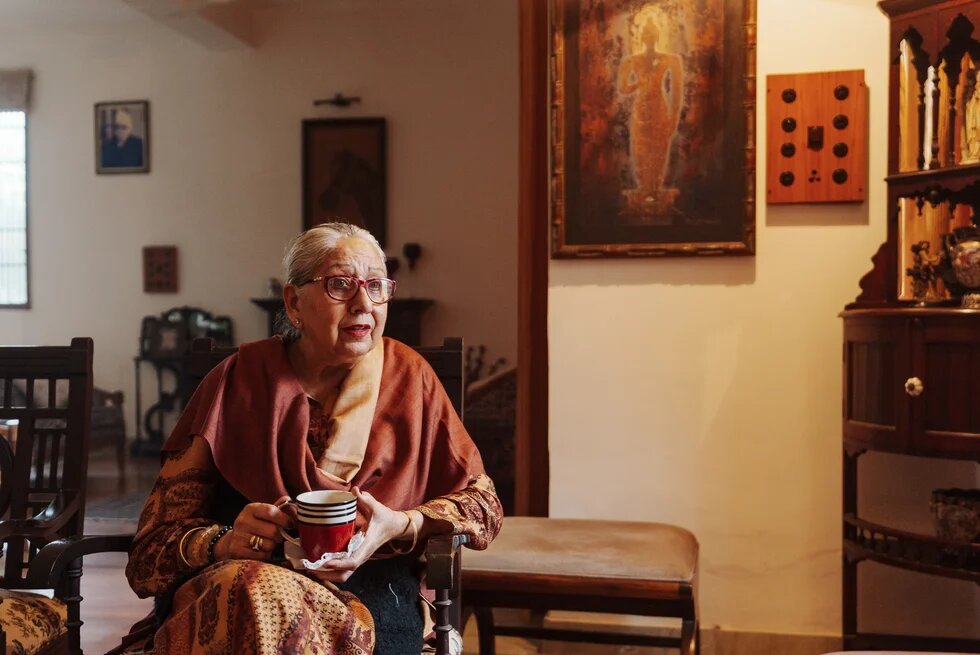
Clean Air Punjab did not begin as a formal institution. It emerged from a shared recognition that deteriorating air quality in Amritsar required civic leadership and systemic change. At the forefront is a collective of women whose professional expertise converges with public purpose. Dr. Amrita Rana, a radiologist, links rising respiratory illness to environmental exposure. Gurpreet Kaur, a technologist, engages urban local bodies to strengthen data-informed governance. Nidhi Sindhwani brings on board experience in women’s leadership and institutional development, while Indu Arora, the Founder of Voice of Amritsar, has long advanced civic accountability.
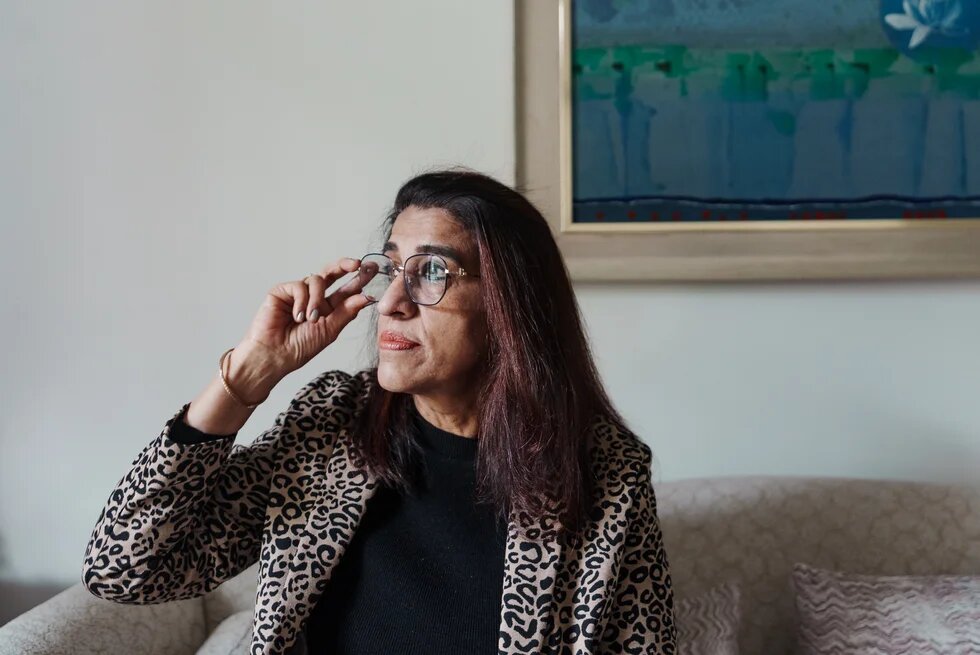
Together, they assert a clear position: environmental health, social justice, and democratic governance are inseparable. Through research, consultation, and sustained dialogue, they have built fluency in air quality science and policy mechanisms. Individual concern has evolved into structured civic intervention.
From this work, Clean Air Punjab took shape as a citizen-led platform committed to identifying pollution sources, strengthening public awareness, and advancing evidence-based policy reform. Its defining strength is building collaborations connecting municipal authorities, informal workers, universities, neighbourhood associations, and farming communities to align lived experience with decision-making.
Within Clean Air Punjab, women’s leadership is strategic and operational. These leaders convene stakeholders, advocate transparency, engage residents, and collaborate across institutions to accelerate clean air solutions and regulatory action. They combine professional expertise with continuous learning, reinforcing credibility and collective capacity.
What began as alarm has become sustained civic stewardship. In the process, these women are redefining citizen leadership in Amritsar advancing a gender-responsive clean mobility transition grounded in public health, equity, and women’s economic agency.
Putting Pink E-Autos on Amritsar’s Roads
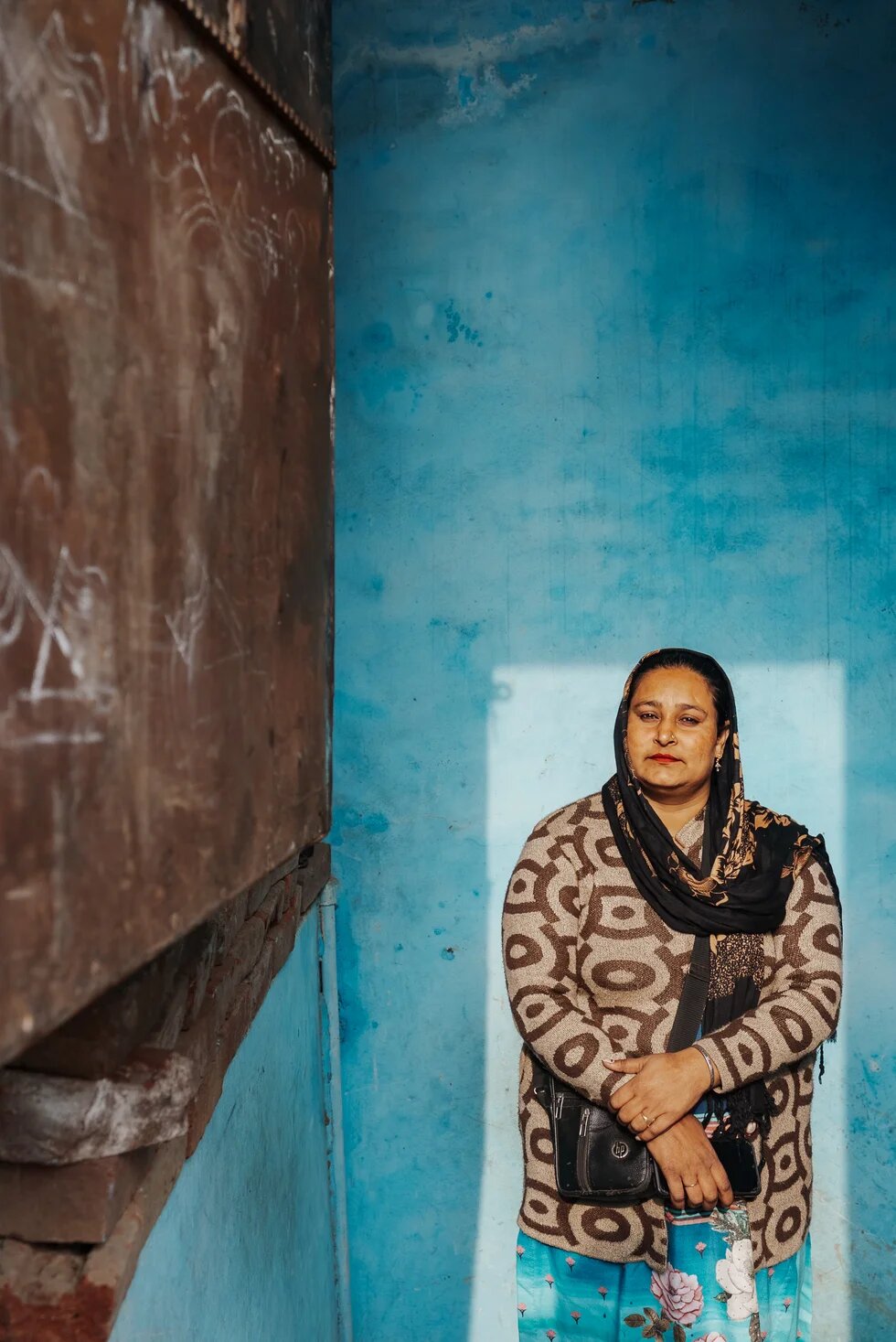
One of Clean Air Punjab’s most significant recent initiatives is the activation of the Pink E-Auto scheme designed to accelerate Amritsar’s clean mobility transition while placing women’s economic agency at its center. The intervention was grounded in a clear institutional principle: women must have equitable access to income-generating opportunities, public space, and independent mobility in contexts where structural and patriarchal constraints continue to restrict participation.
Women constitute just 0.03 per cent of India’s transport workforce, and only 0.01 per cent are engaged as licensed mobility service providers with relatively stable earnings and public visibility. Despite this pronounced gender gap, most electric vehicle (EV) policies across India remain gender-neutral. Of the 27 state EV policies currently in place, only seven reference initiatives specifically targeting women, and only Delhi and West Bengal explicitly include provisions for women drivers.
The Pink E-Auto scheme in Amritsar responds directly to this structural imbalance within India’s transport and clean mobility sectors. Under the city’s Rejuvenation of Autorickshaws in Amritsar through Holistic Intervention (RAAHI) framework, gender inclusion was embedded within the local electric three-wheeler (e3W) policy architecture. The scheme established a formal pathway for women particularly those from low-income and marginalised communities to participate in the clean mobility economy through a 90 per cent capital subsidy, structured training, and coordinated institutional support. The implementation process was deliberate and community-anchored. Clean Air Punjab undertook sustained neighbourhood-level outreach, engaging nearly 300 women in structured discussions around licensing, safety, financing, and long-term viability. Introducing women as electric auto drivers in public space required careful trust-building and sustained engagement well before formal rollout.
On 18th February 2024, Clean Air Punjab and Asar Social Impact Advisors convened a city-level dialogue on a gender-responsive EV transition in collaboration with partners, bringing together public representatives, municipal officials, policy experts, and civil society stakeholders. More than 250 prospective women drivers attended to understand the scheme and explore participation pathways. The dialogue clarified institutional responsibilities and reinforced the environmental and gender rationale of the proposal.
Following the convening, the proposal awaited final approval from the Union Ministry of Housing and Urban Affairs. During this period, members of the Clean Air Punjab hub maintained consistent engagement with decision-makers to ensure the proposal remained under active consideration. Amrita, Indu, Nidhi, Gurpreet, and other hub members collectively drafted a formal representation and wrote directly to the then Union Cabinet Minister for Housing and Urban Affairs, articulating both the environmental case and the urgency of expanding women’s economic access through the scheme.
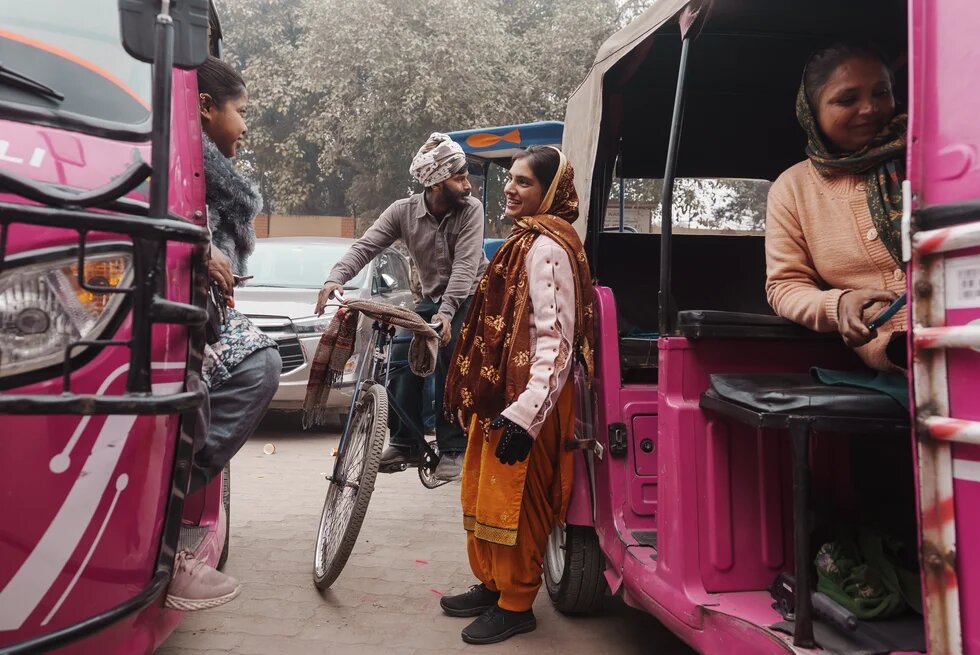
Within days of this collective correspondence, the policy received approval.
Clean Air Punjab subsequently worked in close coordination with the Amritsar Municipal Corporation to support structured rollout under the RAAHI framework, ensuring alignment between policy intent and on-ground implementation.
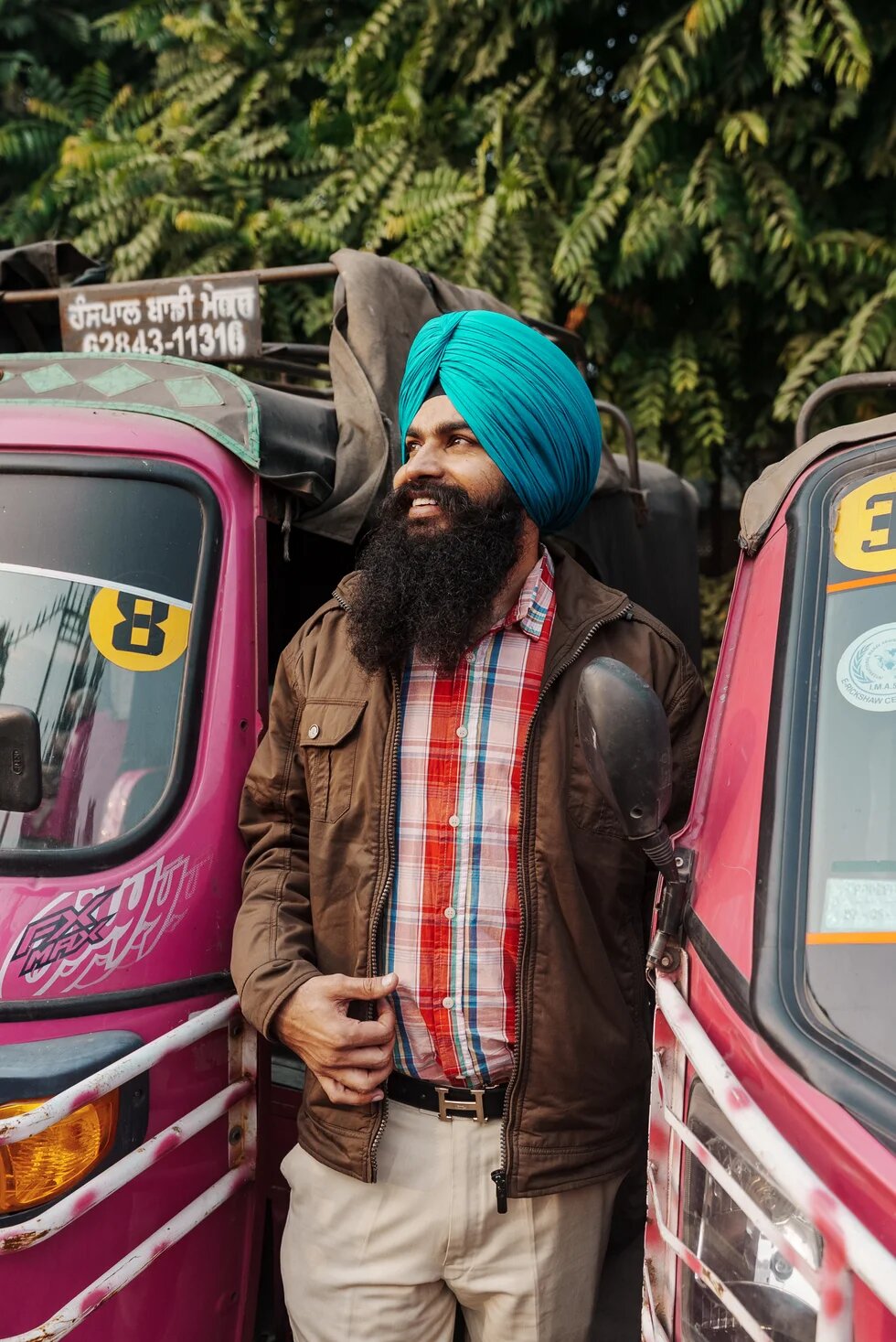
At this critical juncture, interested participants were supported through each procedural stage. Women were organised into self-help groups under the National Urban Livelihoods Mission (NULM), assisted with documentation and interviews, and guided through regulatory clearances. Clean Air Punjab organised and facilitated certified driving instruction, road safety training, and traffic regulation orientation, ensuring participants were professionally prepared and operationally ready.
This progress was built on sustained, hands-on effort. Harwinder Singh, who works closely with Clean Air Punjab, undertook extensive door-to-door engagement, holding repeated meetings, addressing hesitation within families and communities, and supporting women through each administrative requirement. Gurpreet Kaur described the initiative as a “double win”, a 90 per cent subsidy enabling women’s livelihoods while simultaneously reducing emissions through the replacement of diesel autos.
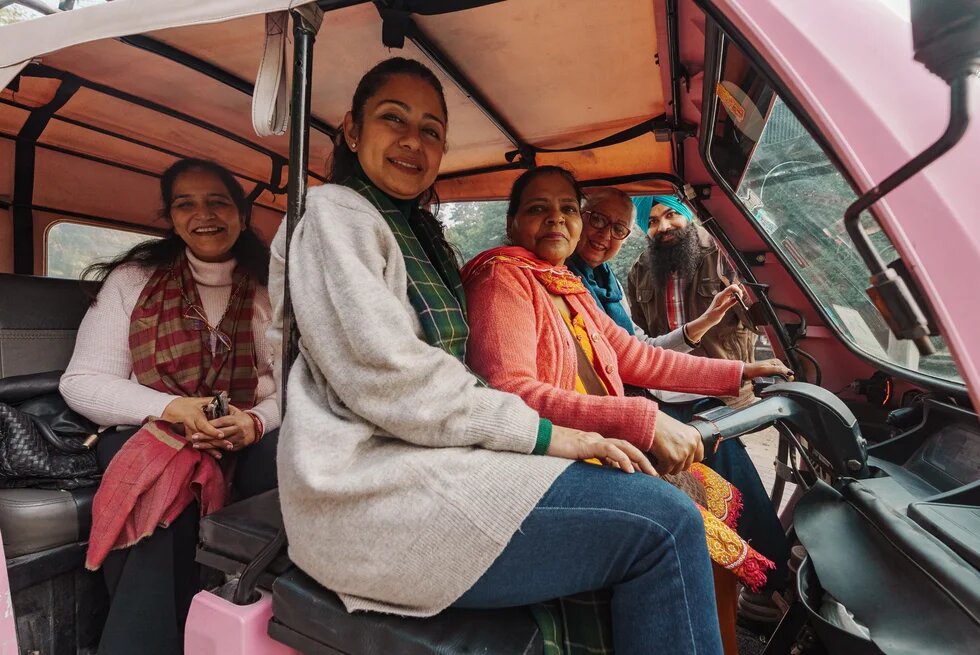
Today, women operate Pink E-Autos as licensed drivers, generating steady and independent earnings that strengthen household financial resilience and enhance decision-making power, while continuing to balance domestic responsibilities. The vehicles have become a visible marker of women’s presence in urban transport systems. What began as a women-centred clean mobility intervention has evolved into a broader demonstration of how climate transition can be practical, dignified, and aspirational. More women are expressing interest in joining, and drivers operating diesel and petrol vehicles have begun exploring transitions to electric mobility.
The Pink E-Auto scheme illustrates how just and clean transitions can simultaneously promote environmental sustainability and structural inclusion through the integration of gender-responsive design into municipal electric vehicle reform. Clean mobility, in this context, becomes both an economic pathway and a governance innovation, expanding access, reshaping public space, and institutionalising gender equity within urban policy frameworks.
Sustaining a Gender-Just EV Transition
For the women of Clean Air Punjab, the launch of the Pink E-Auto scheme marked a beginning, not a culmination. As the initial momentum stabilised, deeper implementation challenges emerged, underscoring the structural work still required to secure a gender-just EV transition.
Although multiple charging stations were installed, several remain non-functional, creating daily uncertainty for drivers planning routes around unreliable infrastructure. The absence of designated parking spaces, auto stands, or rest depots adds further strain. Women need to continue to assert space in transport corridors dominated by male drivers, including instances where Pink E-Autos are operated illegally by men. Harassment persists, compounded by the lack of basic facilities such as accessible toilets and a safety helpline.
The transition has also required substantial individual capacity-building. Many participants had never driven before and had to navigate India’s multi-tiered licensing system - from learner to permanent licences alongside insurance, registration, and other compliance processes. Each electric auto represents an asset of nearly 3 lakhs, with 90 per cent subsidised under the RAAHI scheme.
These challenges, however, have not slowed Amrita, Nidhi, Indu, and other members of Clean Air Punjab. The obstacles reinforce why their work must continue. The focus now is on strengthening infrastructure, securing sustainable financing, ensuring safety, and protecting women’s rights on the road.
The Pink E-Auto journey, they insist, is far from over, each challenge, each conversation, and each determined step is still being written, one at a time.
Beyond Amritsar: Replicating Gender-Centred EV Transitions
Amritsar’s Pink E-Auto journey positions the city as a pioneer, demonstrating what becomes possible when gender is intentionally centred in the electric mobility transition. While the initiative continues to evolve, it offers powerful lessons for cities across India: that energy transition can create livelihoods, that women can lead clean transport systems, and that policy is strongest when shaped alongside the people it seeks to serve.
At the heart of this transformation is women’s leadership within Clean Air Punjab. Their persistence pushed the policy through moments of delay; their credibility kept government doors open; and their empathy ensured the scheme responded to women’s lived realities. Subsidies made participation viable but subsidies alone were not enough. What sustained momentum was continuous engagement with administration, consistent engagement with officials, and active public participation.
The experience underscores what future efforts must prioritise. Governments cannot design EV policies in isolation. Civil society and citizens must be engaged early through consultation and co-creation. Women’s safety, dignified livelihoods, and practical implementation must be treated as inseparable goals. Clear vision, strong objectives, and end-to-end support from beneficiary identification and training to financing and infrastructure are essential.
Above all, Amritsar shows that energy transitions are not just technical, they are deeply human. And it is women leading with care, courage, and consistency who are proving that lasting change is built not once, but every day.


