MODULE 2 - Energy Transition: The Indian Perspective
The Indian Energy Transition Series
Energy Transition: The Indian Perspective | Module 2 | The Indian Energy Transition Series - Heinrich Böll Stiftung Delhi
 Watch on YouTube
Module 2 - Energy Transition: The Indian Perspective
(Playtime - 6:26)
This video explains why India’s energy transition is both urgent and complex. It covers India’s targets, the country’s rising energy demand, regional inequalities, and the challenges of shifting from a fossil-fuel heavy economy.
-
India is the world’s 3rd-largest energy consumer and GHG emitter
-
Over 80% of primary energy still comes from fossil fuels
-
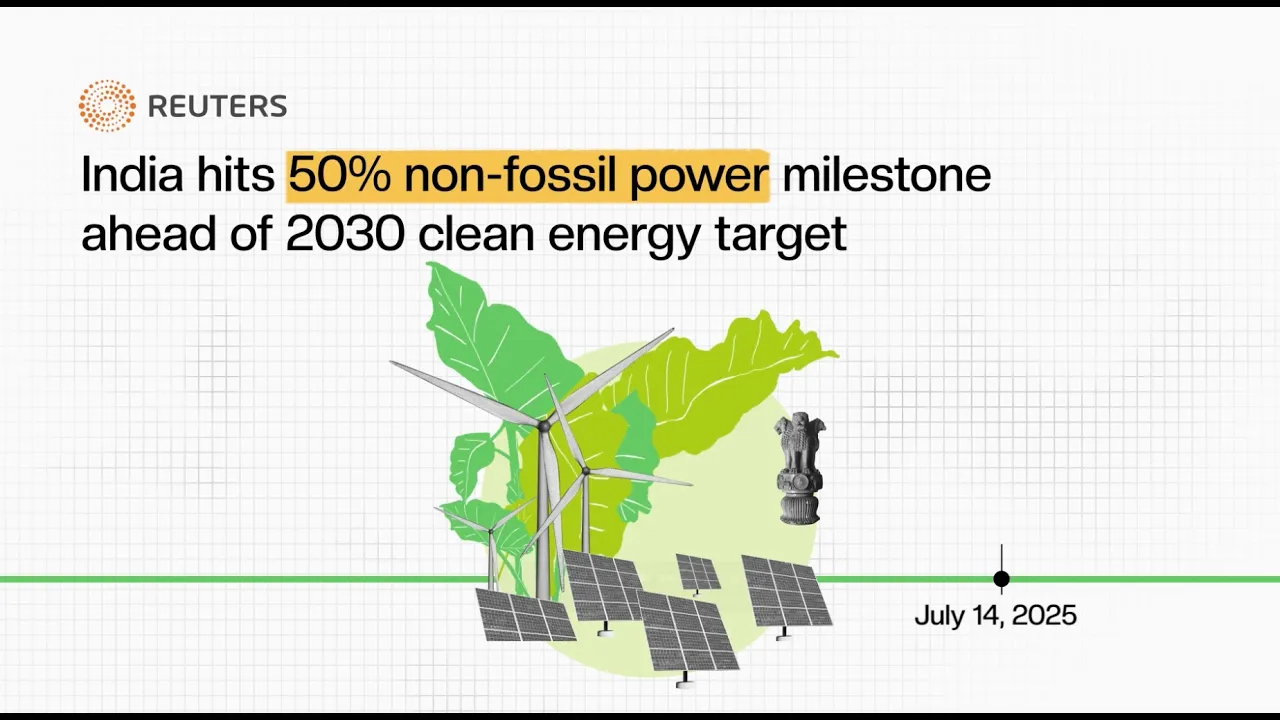
India has achieved 50% non-fossil power capacity by 2025 — five years early
-
National targets include a 45% reduction in emission intensity by 2030 and net-zero by 2070
-
India’s long-term strategy spans seven major transitions — from transport to forests
-
Rising demand, regional imbalances and land-use issues make implementation complex
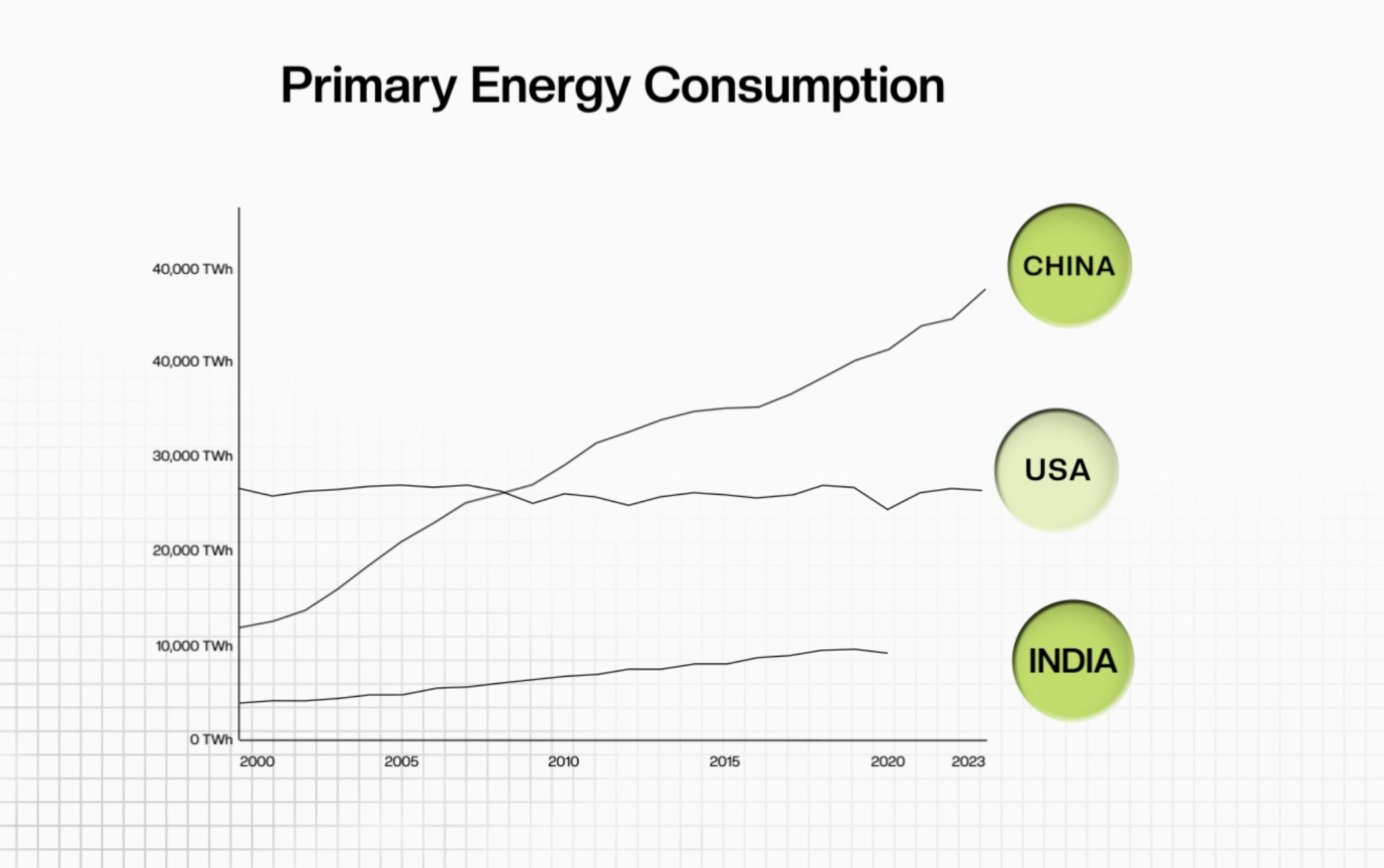
India is the world’s third-largest energy consumer and its development needs continue to grow.
More than 80% of primary energy still comes from fossil fuels, making the transition essential for climate resilience and long-term sustainability.
At the same time, policymakers recognise the need for cleaner, more reliable and affordable energy systems.
India’s Climate Commitments
Under the Paris Agreement, India pledged to:
-
Reduce the emission intensity of GDP by 45% by 2030.
-
Ensure 50% of installed power capacity comes from non-fossil sources.
As of June 2025, India has already crossed the 50% non-fossil capacity mark — five years early.
India also commits to creating large-scale forest carbon sinks and achieving net-zero emissions by 2070.
Target reduction by 2030
Already achieved in 2025
Long-term climate commitment
As of June 2025, India demonstrates significant progress. The nation ranks 4th globally in renewable energy production. Momentum continues towards the 500 GW non-fossil capacity goal for 2030.

Rising Energy Demand
Record heat in 2024 pushed peak power demand to 250 GW. Temporary reliance on older coal plants was required. Grid resilience remains crucial.

Regional Differences
Coal-heavy eastern states face economic and workforce dependencies, while renewable investment is concentrated in western and southern India.

Responding to Local Concerns
Communities have raised issues around land, water and livelihood impacts of large renewable projects — emphasising the need for careful planning.
Further Readings
More Modules
Module 1
What is Energy Transition
Module 3
Sectoral Actions For Energy Transition
Module 4
Just Energy Transition
Module 5
Women and Energy Transition