
MODULE 1 - What Is Energy Transition?
The Indian Energy Transition Series
What is Energy Transition? | Module 1 | The Indian Energy Transition Series - Heinrich Böll Stiftung Delhi
 Watch on YouTube
Module 1 - What Is Energy Transition?
(Playtime - 6:41)
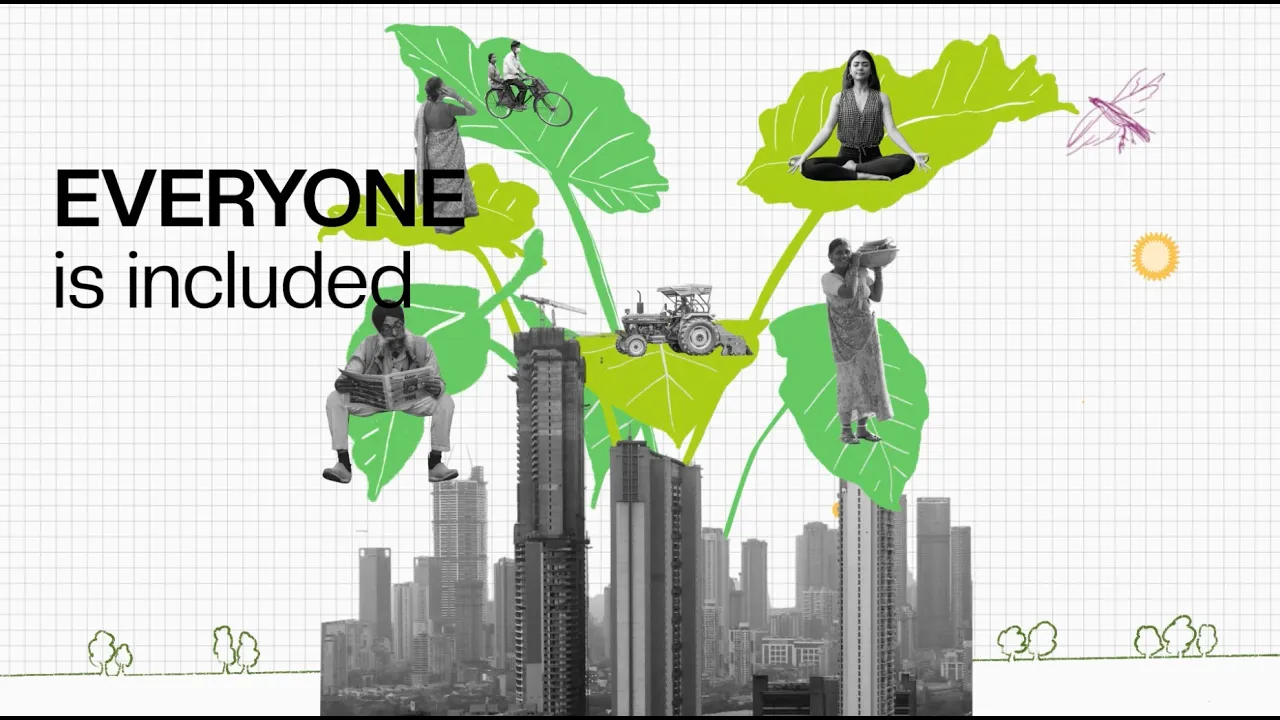
This video introduces the global shift away from fossil fuels and explains why renewable energy is at the heart of climate solutions. It breaks down the benefits, the international frameworks guiding countries, and the people and institutions shaping the transition.
🔑 Key Takeaways
-
What “Energy Transition” means and why it matters
-
Environmental, economic, and social reasons driving the shift
-
Global climate agreements guiding the process
-
Who the major actors are across global and local levels
-
Why justice, equity and inclusion must be part of the transition
Why the Transition Matters

Climate Action
Reduces greenhouse gas emissions. Slows global warming rates. Protects future generations.

Energy Security
Strengthens India's independence. Reduces import dependency. Builds resilient systems.

Universal Access
Ensures clean energy for all. Ultimately, makes power more affordable. Has the potential to promote social equity.

Economic Growth
Creates millions of green jobs. Opens new market opportunities. Drives innovation forward.
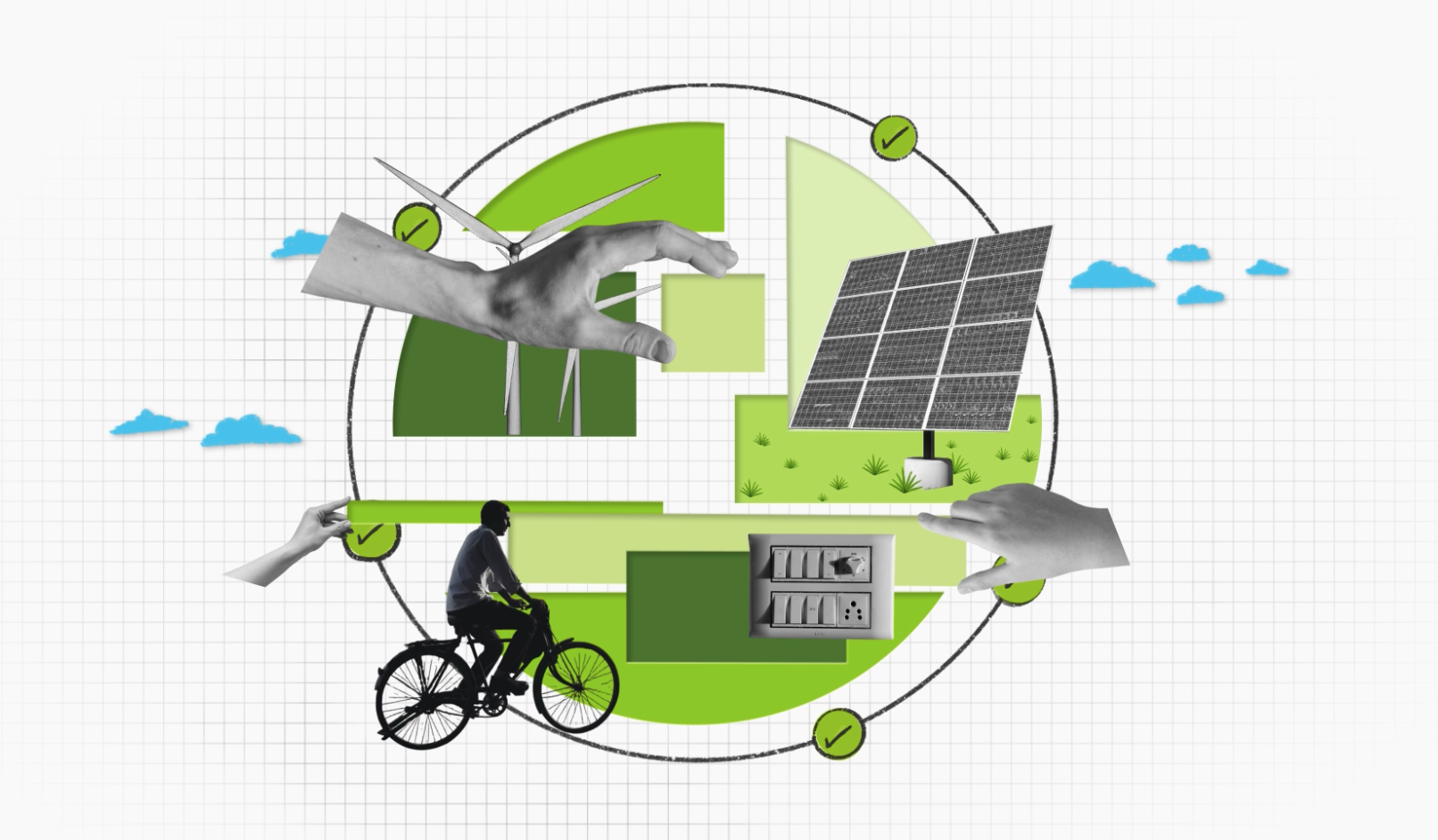
Energy transition isn’t just about new power plants — it affects transport, homes, industries, agriculture, and governance.
Global Climate Frameworks
-
UNFCCC: First global climate action platform
-
Paris Agreement: Limit warming to 1.5–2°C
-
SDGs & Human Rights Conventions: Reinforce fair, sustainable development
-
COPs & Nationally Determined Contributions (NDCs): Countries set emission targets
-
Global Stocktake: Assesses global progress
(Click on ▶︎ for timeline)
This external content requires your consent. Please note our privacy policy.
 Open external content on original site