
Article
Scientist and innovator Priyadarshini Karve’s journey illustrates how science, social commitment, and women’s leadership can transform the energy landscape.

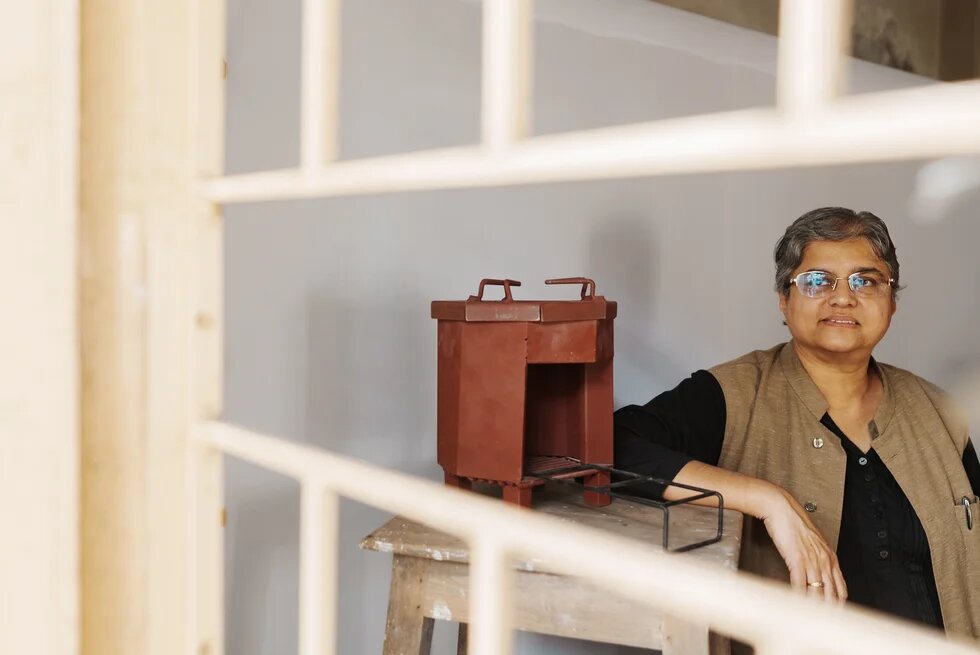
“Cookstoves are more complicated than designing a car engine,” says Priyadarshini Karve. “The cooks need the same amount of heat every single day, but from different fuels and designing them is challenging but a necessity.”
Priyadarshini makes you reflect deeply, not just on the role of science in shaping everyday life, but on what it means to rebel with quiet persistence. Her rebellion is not loud, but steadfast: A refusal to let women’s struggles in kitchens filled with smoke remain invisible.
There are many things that strike you immediately about Priyadarshini, who grew up in a rural area of Maharashtra’s Satara district – the clarity of her thought, the depth of her empathy, and her unwavering commitment to solutions rooted in both science and justice.
Her passion for improving the design of Indian cookstoves started as a young bachelor’s student. She stepped into a laboratory expecting the rigours of science but what she encountered shocked her. She discovered that millions of Indian women were exposed to dangerous levels of smoke every single day in their homes while cooking, and yet, this reality had barely registered in the scientific community. The silence of science on an issue so pervasive became the spark that set her journey in motion.
Designing Clean Energy from Local Resources
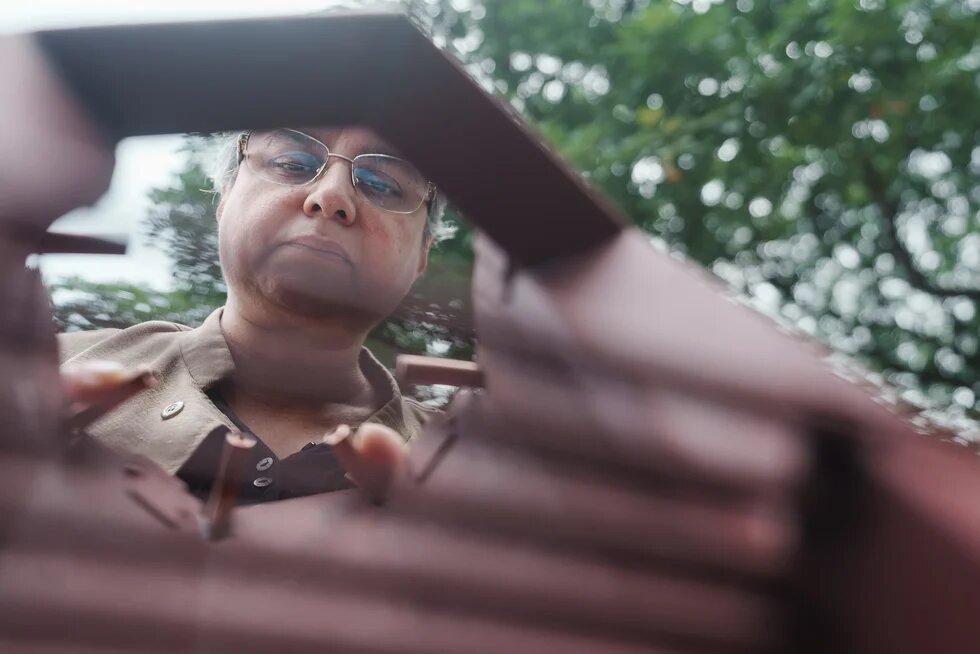
For her Master’s degree, Priyadarshini took on a problem that was both deeply local and nationally significant: How to create a clean and reliable cooking solution from the waste materials lying unused around her? She designed a sawdust-burning cookstove, by optimising airflow, she ensured that the sawdust gasified and burned efficiently, producing almost no smoke. The design not only worked in the laboratory but went on to become a commercial product, the “Vivek Sawdust Stove”. Its impact spread far beyond her immediate circle when it was adopted under the Government of India’s National Programme on Improved Cookstoves/ Chulhas (NPIC) launched in 1984, reaching rural households that had long depended on smoky, inefficient stoves.
Yet for Priyadarshini, this was only the beginning. After completing her PhD in Physics from the University of Pune, she sought to address another pressing problem in Maharashtra’s sugarcane-growing regions: The widespread burning of dry sugarcane leaves left behind after harvest. This practice not only wasted a potential resource but also caused severe air pollution. Through the Young Scientist Scheme grant, she set out with an ambitious vision to transform this agricultural residue into a standardised, locally manufacturable fuel that could power improved cookstoves more effectively.
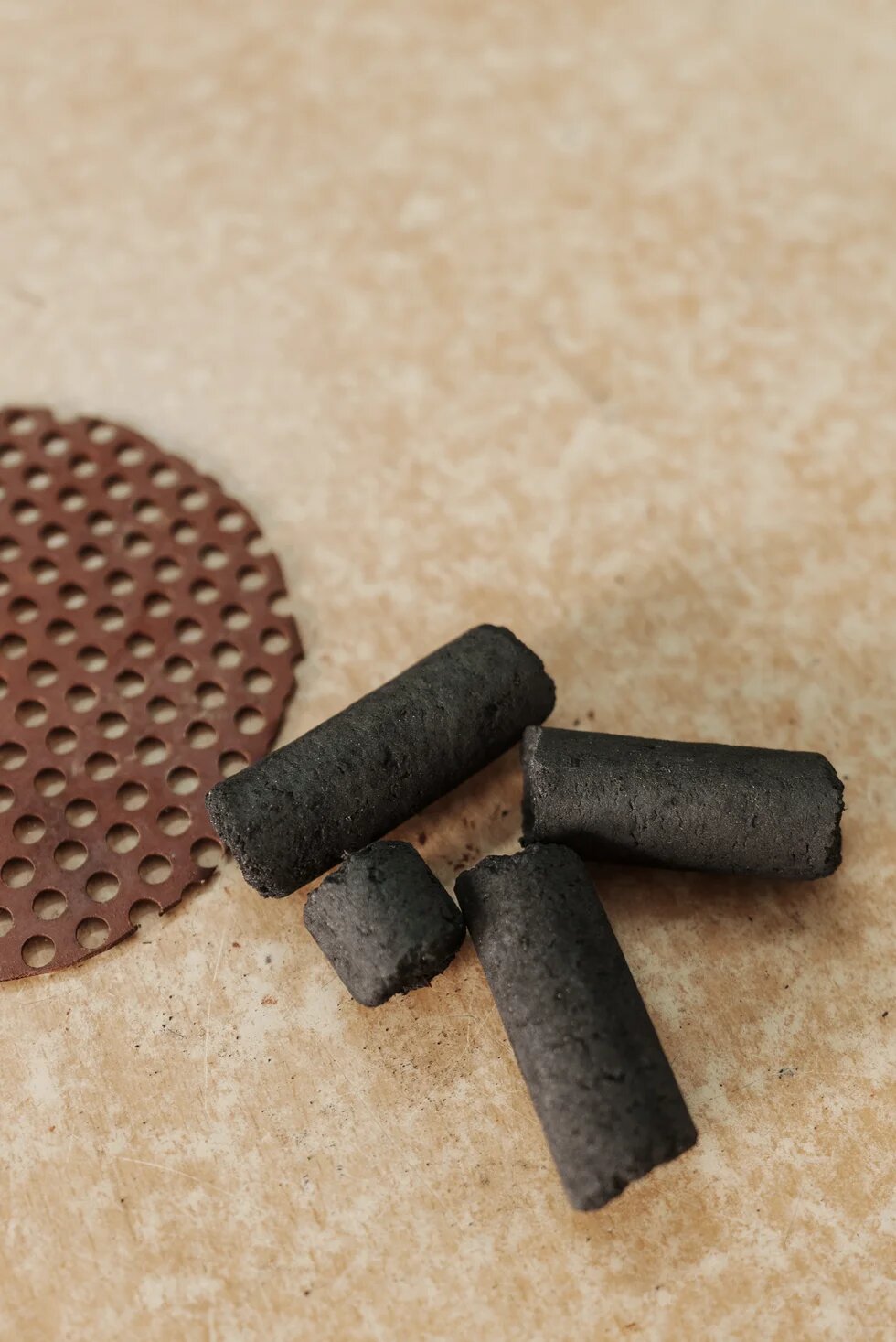
The result was a breakthrough. Priyadarshini and her team developed a process to convert sugarcane trash into char briquettes, compact, smokeless fuel units that could be produced locally and affordably. Alongside the briquettes, she designed a compatible steam cooker, creating a closed-loop system where renewable charcoal could power clean and efficient cooking.
A Legacy of Progressive Thought and Inspiration
Behind Priyadarshini’s scientific innovations lie a rich legacy of progressive thought and pioneering spirit. She often reflects that her own journey was made easier because of her family’s deep commitment to education and social reform. Her great-grandfather was among the early champions of women’s education in India, breaking barriers at a time when few imagined women in classrooms. Her grandmother was a pioneering anthropologist, while her aunt established herself as a respected feminist writer. Growing up in this atmosphere of intellectual courage and social questioning, Priyadarshini absorbed the importance of pushing boundaries.
When it came time to choose her own field, she decided to study physics, half in jest; she calls it her “rebellion,” since none of her illustrious ancestors had ventured into this science. But her choice was more than symbolic; it gave her the tools to bring rigour and innovation to deeply practical problems of everyday life.
Her father, an agricultural scientist and botanist, influenced her in another way. Through his NGO, he initially focused on farming and rural livelihoods. Yet, inspired by his daughter’s growing interest in energy systems, he began to experiment with biogas technology. By combining his expertise in botany and microbiology, he developed new food waste-to-biogas systems that eventually earned his institute a second international award. In this way, father and daughter found their work interlinked, his experiments with biogas complemented her innovations with cookstoves and renewable fuels, both rooted in addressing rural energy poverty.
Priyadarshini’s own pioneering contributions have since earned global recognition. Her work on converting agricultural waste into decentralised renewable energy not only addressed environmental and health concerns but also offered scalable solutions for communities across India. This dedication was honoured with the Ashden Awards widely regarded as the “Green Oscars” celebrating her as a leader shaping sustainable energy futures.
Women at the Center of India’s Decentralised Energy Transition
Priyadarshini’s philosophy on energy transition grows out of her conviction that equity and sustainability must go hand in hand. She often speaks of “renewable charcoal,” a concept that captures her belief in decentralised energy systems powered by locally available resources. For her, true energy transition is not simply about replacing fossil fuels with large-scale renewable projects. It is about fundamentally shifting the way energy is produced and accessed moving from centralised, inequitable systems fueled by petroleum and mineral coal toward localised solutions like biogas for kitchens, solar panels for homes, and small windmills for villages. Only then, she argues, can energy become both clean and just.
Her work in cooking energy has been a testing ground for this philosophy. She points out that although cooking is largely women’s responsibility in India, women’s voices were almost absent in the NPIC. Most of the technical backup units were led by men in engineering colleges. The programme itself prioritised deforestation concerns, with women’s health, time, and labour burdens added as an “afterthought”. For Priyadarshini, this imbalance revealed a deeper flaw: Energy solutions designed without women at the decision-making table often fail to meet the realities.
She also challenges the misconception that biomass inherently causes pollution. With scientific precision, she explains that the problem lies not in the fuel itself but in how it is burned. Traditional stoves lack control over airflow and fuel consistency, producing smoke. Her approach converts agricultural residues into standardised fuels like biogas, ethanol, or char briquettes, which burn cleanly with zero smoke and no carbon penalty since they use waste biomass.
The innovator reminds us, technical fixes are not enough. The cookstove sector’s obsession with laboratory efficiency often ignores rural women’s lived needs such as the multipurpose heat from traditional clay stoves. Her vision insists that the energy transition must be shaped not just by engineers, but by the women who use these systems daily, making them central to innovation and decision-making.
Green Entrepreneurship for a Just Transition
As she deepened her work on clean cooking, she noticed a troubling policy gap: Despite their centrality to household energy and women’s well-being, improved cookstoves remained absent from India’s mainstream energy transition debates. Clean cooking is a vital part of this transition, shifting households away from polluting biomass fuels toward healthier, more sustainable energy sources and driving energy equity for women and marginalised communities. Yet many households continue to rely on biomass because of the high cost of LPG refills, last mile delivery of cylinders, barriers to subsidies, the ready availability of firewood, and cultural preferences for the chulha.
According to the National Family Health Survey (2019–21), nearly one-third of rural households in Maharashtra still cook with solid fuels such as coal, wood, crop waste, and dung cakes and across India only 59 per cent households are using clean fuel for cooking. India has made significant progress over the past decade and a half, beginning with the Rajiv Gandhi Gramin LPG Vitrak Yojana launched in 2009 and later the Pradhan Mantri Ujjwala Yojana (PMUY) initiated in 2016, which together expanded LPG coverage to 10.6 crore connections till date, yet barriers exist in sustained adoption.
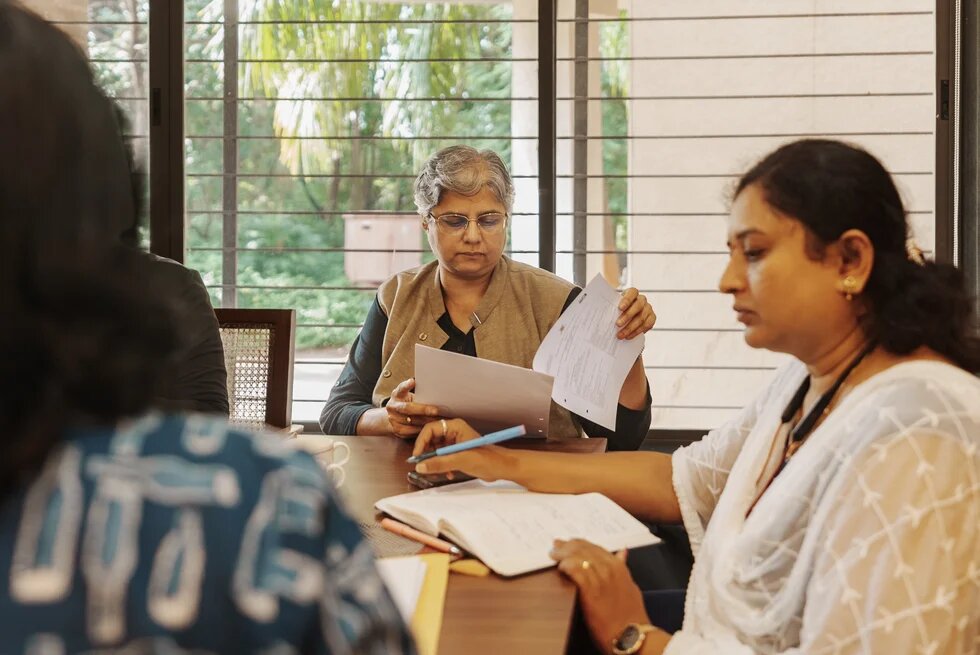
When the government’s improved cookstove programme came to an end due to changing priorities and focus within government departments to other energy sectors, Priyadarshini realised that without a functioning market, the innovations she and others had developed would not reach households. Determined to bridge this gap, she established her social enterprise, Samuchit Enviro Tech, as a private limited company.
The venture was not without challenges. Communities accustomed to receiving cookstoves free of cost through government programmes were hesitant to pay, and the team lacked business experience. Over time, the enterprise broadened its scope, taking on climate change education and carbon accounting consultancy for IT companies. Yet, at its heart, the mission of decentralising clean energy remained unchanged.
Priyadarshini also redefined how cookstove design should be approached. She and her team developed a participatory process that identified 18 different parameters households value in stoves from cooking rice and making rotis to the importance of residual heat for secondary kitchen tasks. Using a game-like survey, they captured preferences from both “cooks” and “heads of households”, careful not to reinforce stereotypes that cooking is only women’s work. The results were analysed to identify non-negotiables for each community, guiding either the adaptation of existing stoves or the design of new ones. Local manufacturers were trained to produce these stoves, ensuring livelihood opportunities and community ownership.
Her collaborations with women-led enterprises such as OrjaBox underscore her conviction that women entrepreneurs are vital to India’s energy transition. Together, they promote LPG-free urban kitchens powered by solar, biogas from kitchen waste, and charcoal from garden waste. For her, women-led green enterprises embody the future that is grounded in everyday realities, committed to equity, and confident that environmental protection and profitability can go hand in hand.
Priyadarshini Karve’s journey illustrates how science, social commitment, and women’s leadership can transform the energy landscape. By turning waste into fuel, customising technologies to meet real cooking needs, and building women-led enterprises, she has shown that the energy transition must be both decentralised and equitable. Her vision challenges centralised fossil fuel systems and insists that renewable energy be rooted in local realities and everyday lives. In doing so, she reminds us that women’s leadership is not peripheral but central driving innovation, resilience, and justice in shaping a sustainable energy future for India and the world.


