Article
A call for just transition from abandoned coal mines of Dhanbad, Jharkhand.

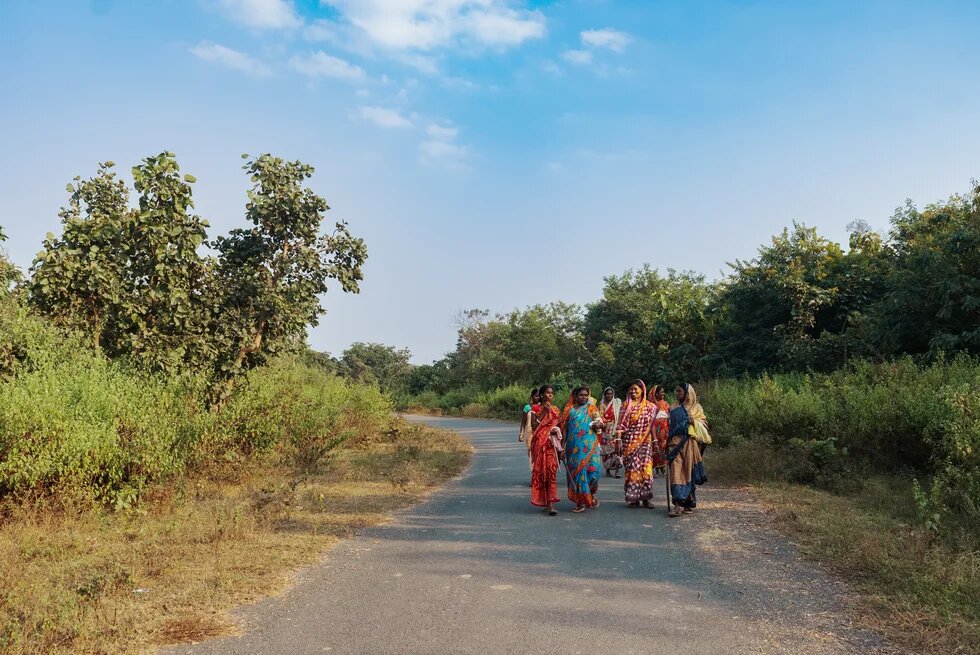
In the heart of Baghmara block of Jharkhand’s Dhanbad district lies Tetulia 2, a village suspended between what it once was and what it might become.
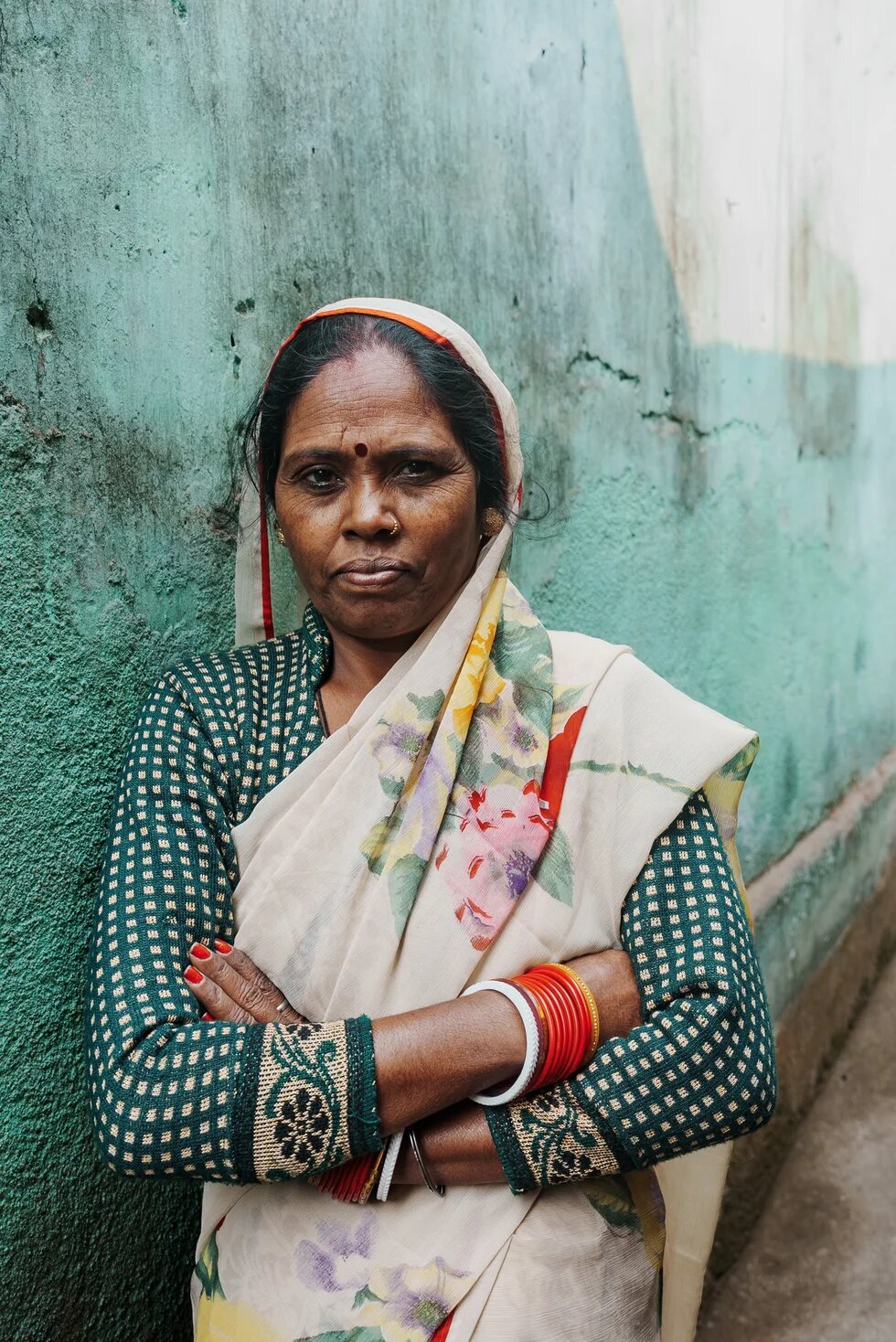
For Bala Devi, who arrived here as a young bride, her sense of the village is woven together from the stories of elders. They spoke of fertile soil, where agriculture was enough to feed families and sustain entire communities.
There were bustling weekly markets, close-knit neighbours, and a rhythm of life tied to the land. “Life was full. Homes thrived, and people had reasons to stay,”says Bala.
Today, the contrast is stark. “There is nothing here,” she says, gesturing to the emptiness that has replaced fields and market squares. No markets, no banks, no primary health centre. Most of the men have left to work elsewhere; jobs are scarce, hope even scarcer.
Her friend Mamata Devi remembers the turning point: The arrival of the coal companies. “They gave people jobs, even though the land was no longer ours but the state’s,” she says. Underground mines brought health risks and danger, but steady wages meant food on the table.
A Time when Everything Changed
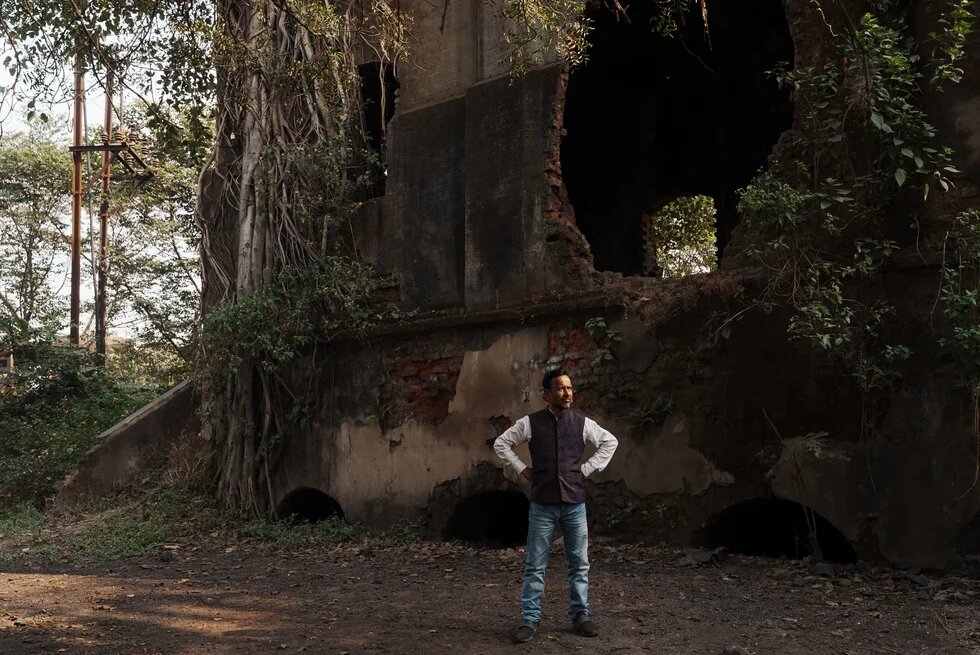
Dhanbad is known as Jharkhand’s economic capital, built on coal mines and the industries that depend on them. Just a few kilometres from Tetulia 2 stood the coal colliery of Bharat Coking Coal Limited (BCCL), famed for producing some of the highest-grade coal in the country.
But in 2006, a methane gas leak underground killed nearly 50 miners. The tragedy shook the community to its core. In its aftermath, BCCL shut down operations, packed up its machinery, and left. Villagers say the abandoned mine still holds nearly 15 years of coal underground, an untapped resource they cannot access, and no longer wish to, given the cost it came with.
The withdrawal of BCCL was like pulling the single thread holding the fabric of village life together. Overnight, services and facilities vanished. The primary health centre shut down. Schools struggled without resources. The local market disappeared. Even the Mahuda coal washery nearby, once a symbol of industrial bustle, now lies silent and rusting. The nearest place to buy essentials is now a five to six kilometre walk away.
For women like Bala and Mamata Devi, the change was more than economic, it was existential. Years of extraction left behind hollowed-out fields and soil too degraded to farm. “The land has been left useless by the mining,” Mamata says. “We can’t even go back to our indigenous ways of agriculture.”
With jobs gone, 75 per cent of the men migrated to cities like Mumbai, Bangalore, Surat, Kolkata, and Delhi for tailoring and construction work, leaving behind an ageing population and women carrying the dual burden of survival and care. For the women who remain, life has become a daily negotiation between scarce resources, absent services, and an uncertain future.
Questions No One Wants to Answer
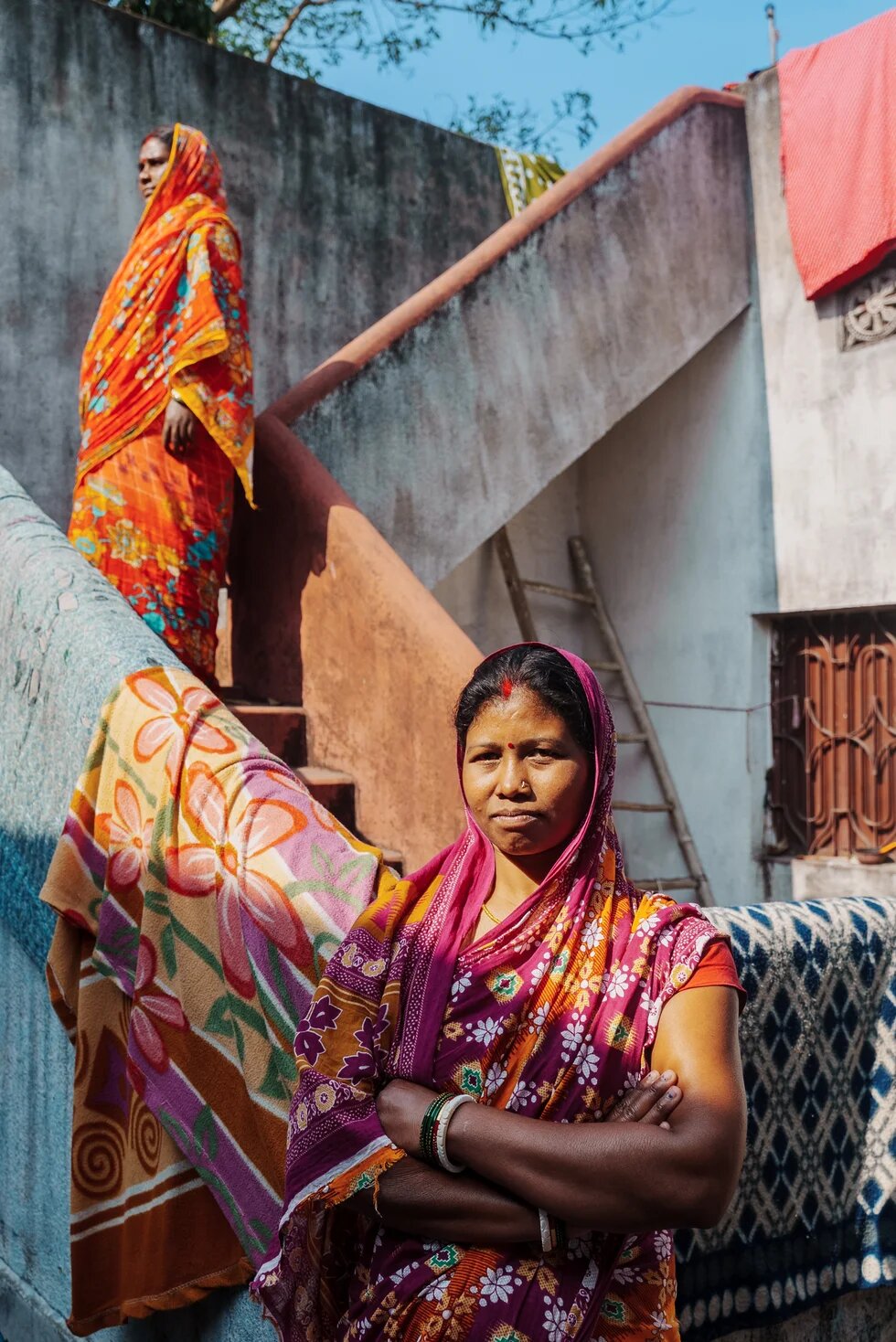
The women left behind are not passive observers. Ritu, who works as a kitchen hand in the local school, and Laxmi Devi, a homemaker, want answers. “Where are the government services? Where is the state?” they ask.
With BCCL gone and illegal coal mining continuing in the shadows, the question hangs heavier: who is really benefiting?
They speak of betrayal, not in abstract policy terms but as a lived reality. The market is gone. The health centre is gone. The jobs are gone. What they want is not handouts but the right to work, jobs within their community, ones they can do without leaving their homes and families behind.
As social activist Ainul Ansari explains, Tetulia 2 is “trapped in the middle”, abandoned by coal companies as well as the state. On paper, the mine is still listed as open under BCCL’s name, which means the state doesn’t feel accountable for the people living here. In reality, it is a dead mine in a dead economy and the benefits of what remains are being quietly claimed by those overseeing illegal mining operations.
From the outside, Tetulia 2 looks quiet. Inside, its women are sharpening their questions into demands and preparing to bring them to decision-makers.
A Future Built without Women
As the coal mine lies abandoned, Ainul points to another development. The land nearby is being acquired for a solar project. There was news about the project in the media about two years ago, and while BCCL is expected to support the process, no public hearing has been held so far.
In Tetulia 2, most women have only caught fragments of talk about a solar project and the idea feels unfamiliar. For the women left behind, talk of solar plants and green energy feels distant, even irrelevant to the urgent realities they face. What they really care about is work; jobs they can take up even while carrying the unpaid care work that fills their days.
“No one is thinking about us,” Mamata says, her voice growing fierce. “Not the coal companies, not the solar companies.” The conversation about the future of energy, she adds, seems to have no room for women like her and women who have been forced by circumstance to imagine themselves as earners, but still face the constraints of deep rooted oppressive social norms.
In some households, fetching water alone takes two to three hours a day, as there are no pipelines bringing clean water to homes. In others, the lack of public transport means reaching the nearest health facility or market can take half a day.
The resistance to work and Learn Skills
Still, Bala Devi says they will make time. “We don’t care about rest,” she insists. “We will find a few hours in the day to work, to bring prosperity to our families, to secure our children’s future, and to rebuild the place we call home.”
Mamata, Bala, Laxmi, and Ritu speak with both conviction and pragmatism. They are ready to work, eager to learn new skills, and determined to build livelihoods that fit the realities of their lives. But they are clear-eyed about the limits: Social norms that restrict how long they can be away from home, and the absence of safe, affordable transport to reach district-level training centres.
These barriers have not dented their confidence. They already know the kinds of work they could excel in – mushroom cultivation in their backyards, puffed rice production, small-scale packaging for local companies. All have steady demand and could be done from home. They are willing to put in the effort for sustained income but not at the cost of dignity or safety.
Lessons for a Just Transition
From Tetulia 2, the lessons are clear: A just transition is not only about shifting from coal to solar, from fossil fuels to renewables. It is also about shifting from exclusion to inclusion, from decisions made in boardrooms to decisions shaped by those who live with the consequences.
Jharkhand is the only state in India to have established a Just Transition Taskforce to chart a sustainable path away from fossil fuels, with the mandate to ensure bottom-up processes that include the voices of women, indigenous communities, and other marginalised groups.
Yet in places like Dhanbad, these discussions have not trickled down. The lived experiences of women in Tetulia 2, their calls for alternative livelihood pathways that allow dignity and choice are precisely the kinds of insights that should guide the taskforce. Without them, policy risks being abstract and detached; with them, it has the chance to be rooted, relevant, and truly transformative.
Right now, the talks of “energy transition” in this area risk replicating the same patterns that coal entrenched: Extraction without accountability and development without participation. If women’s voices are absent, especially those from Scheduled Castes and Scheduled Tribes living around coal mines, the transition will not be just.
The women of Tetulia 2 are not asking for charity. They are asking for infrastructure that allows them to work if they choose to: Safe transport, access to water, decentralised skill training, and social safety nets so that men are not forced to migrate and women are not pushed into precarious labour out of desperation.
A just transition, from their perspective, must be grounded in choice, dignity, and recognition of care work as central to community resilience. If renewable energy is the future, then that future must be built with them, not around them. The women here know what they need, and they know the cost of being ignored.
Tetulia 2 is not just a story of loss; it is also a call to action. Ignore its women, and the energy transition will reproduce the injustices of the coal era. Listen to them, and there is a chance to lead a different kind of change: One that honours both the land and the people who call it home.